






COLOURS AND FLAVOURS
South Africa’s colours and flavours market is evolving rapidly as manufacturers respond to clean-label pressure, sugar reduction targets and demand for authentic, locally inspired taste profiles. Natural colourants derived from botanicals, spices and fruit extracts are gaining traction as brands move away from synthetic additives. Flavour innovation is also shifting toward regional authenticity, indulgent hybrids and functional positioning, particularly in beverages and dairy. Regulatory scrutiny around labelling and additive declarations is tightening, increasing the need for compliant, traceable ingredient systems. We focus on suppliers offering compliant, stable and clean-label colour and flavour systems that elevate sensory impact while protecting regulatory standing and export competitiveness.
SNACKS AND CONFECTIONERY
Snacking continues to outperform many traditional categories in South Africa, driven by convenience, urbanisation and evolving consumer lifestyles. However, growth is shifting toward portion-controlled, better-for-you and functional formats as sugar taxes and health awareness reshape buying patterns. Reduced-sugar confectionery systems, high-protein snacks and fibre-enriched formulations are gaining ground. Manufacturers are also investing in automated depositing, enrobing and cooling technologies to improve consistency and reduce waste. Rising input costs mean efficiency and differentiation are essential to remain competitive in a price-sensitive environment. Let’s position your brand at the forefront of South Africa’s evolving snacking economy.


FOOD SAFETY – strengthening trust
in South Africa’s supply chain
PROCESSING TECHNOLOGY – efficiency in an unpredictable environment
In South Africa’s dynamic and often unpredictable food ecosystem, food safety remains a national priority and a competitive differentiator. This feature explores how the sector manufacturers, retailers and processors, and primary producers are reinforcing safety standards amid rising regulatory pressure, energy instability, water challenges, and heightened consumer expectations. We highlight the latest testing technologies, digital traceability tools, hygiene innovations, and audit-readiness strategies being adopted locally.
With load shedding, water scarcity, tariff increases, labour challenges, and rising operating costs, South African manufacturers are turning to advanced processing technologies to stabilise output and safeguard margins. This feature examines the equipment upgrades, automation strategies, predictive maintenance tools, continuous systems, and energy-efficient technologies reshaping SA’s factory floors that are enabling consistent quality despite
volatile conditions.
CONTACT US TODAY TO FIND OUT MORE


CHEMICALS AND LUBRICANTS
As South African processing plants modernise and automate, demand for high-performance food-grade chemicals and lubricants is increasing. Hygiene compliance, water efficiency and downtime reduction are central concerns, particularly in dairy, beverage and meat facilities. Food safe lubricants, advanced cleaning-in-place (CIP) chemicals and corrosion-resistant solutions help extend equipment life while meeting stringent safety standards. With loadshedding and operational interruptions placing additional stress on machinery, preventative maintenance has become a strategic priority. Smart lubrication systems and condition-monitoring technologies further reduce unplanned shutdowns and contamination risk. In a competitive manufacturing landscape, reliability directly impacts profitability.
MODIFIED ATMOSPHERIC PACKAGING
Shelf-life extension is a strategic advantage in South Africa’s geographically dispersed retail market. MAP is gaining momentum in fresh produce, meat, bakery and ready-meal categories as manufacturers seek to reduce spoilage and expand distribution reach. Advances in gas-flushing systems, seal integrity testing and high-barrier films are improving reliability and performance. MAP not only reduces food waste but supports premium positioning by maintaining freshness, colour and texture for longer. With rising transport costs and infrastructure challenges, extended shelf life directly protects margins. By investing in advanced MAP systems your brand can extend shelf life, reduce waste and strengthen your competitive edge across local and export markets.
.
FLEXIBLE PACKAGING
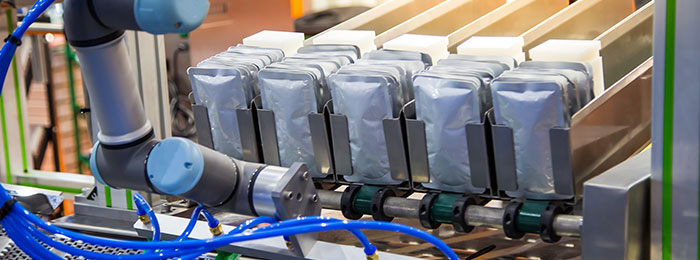
Flexible packaging remains one of the fastest-evolving segments in South Africa’s packaging sector, balancing cost efficiency, product protection and sustainability. Demand is rising for recyclable mono-material films, downgauged structures and high-barrier laminates that preserve shelf life while reducing plastic use. Brands face mounting pressure from Extended Producer Responsibility (EPR) regulations and retailer sustainability targets, accelerating innovation in recyclable and compostable formats. Automation in form-fill-seal systems, improved sealing technologies and digital print capabilities are helping manufacturers increase speed and flexibility while managing shorter production runs. In a margin-sensitive market, packaging must deliver both performance and environmental credibility. Share your next-generation flexible packaging solutions that meet sustainability mandates, enhance product protection and deliver operational efficiency in a competitive retail landscape.

