






BOTANICALS
Botanical ingredients are gaining traction as South African manufacturers respond to demand for natural, clean‑label and functional products. Indigenous botanicals such as rooibos, buchu and baobab offer strong provenance, wellness appeal and export potential, particularly in beverages, dairy alternatives and functional foods. However, variability in quality, potency and supply remains a key challenge.
Advanced extraction and processing technologies – including supercritical CO₂ and enzymatic extraction – are
enabling higher bioactive yields, improved consistency and better shelf stability. At the same time, traceability and authentication systems are essential to mitigate food fraud and support compliant health‑related claims.Regulatory scrutiny around botanical claims makes accurate labelling and substantiation critical.
Manufacturers that invest in modern botanical processing and traceability solutions can unlock premium positioning, support local sourcing and build credible wellness propositions in an increasingly competitive market
FOOD LOSS & WASTE
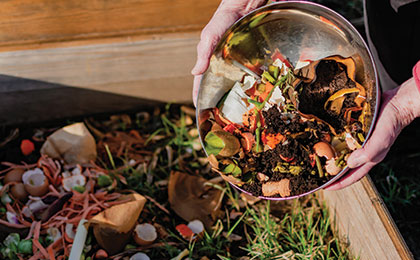
Food loss and waste remain a major commercial and sustainability challenge for South African food and beverage manufacturers, eroding margins and increasing regulatory and ESG pressure.
Losses are driven by cold‑chain gaps, manual handling, inconsistent processing and inadequate shelf‑life control. Technology is emerging as a key solution. Smart sensors, real‑time temperature monitoring and automated inspection systems help prevent spoilage before it occurs, while improved processing and packaging technologies extend product life. By‑product recovery and valorisation systems allow manufacturers to convert waste streams into animal feed, energy or secondary ingredients, improving resource efficiency.
Reducing waste also supports compliance with Extended Producer Responsibility (EPR) requirements and retailer sustainability expectations. Investing in loss‑reduction technologies is no longer optional – it is a strategic lever to protect profitability, strengthen sustainability credentials and future‑proof operations in a cost‑constrained market.

DAIRY INGREDIENTS
South Africa’s dairy ingredients market is moving beyond commodity powders toward higher‑value, functional and fortified solutions that support nutrition, convenience and export competitiveness. Demand is growing for whey proteins, milk protein isolates and caseinates used in sports nutrition, beverages and hybrid dairy‑plant products, driven by health‑conscious consumers and cost pressures on traditional dairy formats. Clean‑label positioning and lactose‑reduced formulations are becoming essential for differentiation. Compliance with food safety and quality standards underpins access to both local and export markets.
Manufacturers that invest in advanced dairy ingredient systems and processing technologies now will be best positioned to defend margins, reduce reliance on imports and unlock premium nutrition‑focused growth. Don’t miss out on sharing your latest ingredients and insight with our readers.
SHARE YOUR INSIGHTS

FOOD SAFETY
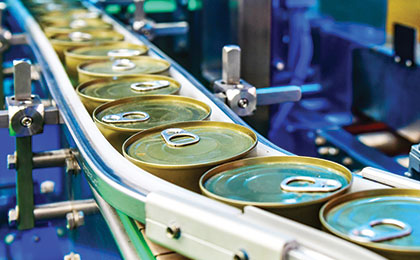
We are passionate about ensuring a food safe future for everyone involved in the food, beverage and packaging supply chain. Each month, we will be looking at the latest news, trends, regulations and equipment that impact your operation. If you want to highlight your business, products and services, don’t miss out!s and concepts that will drive growth for your brand.
PROCESSING TECHNOLOGY
We bring you a brief round-up of the latest processing technology launches that will impact the future of the food and beverage processing industry. Whether you are a large, small or niche processor or technology partner, it is vital to keep your finger on the pulse of this dynamic industry. Share your new products, news and insights.
CONTACT US TODAY TO FIND OUT MORE



TOPS & CLOSURES
Tops and closures play a critical role in product safety, shelf life, sustainability and brand trust across the food and beverage sector. Manufacturers are increasingly adopting lightweight, recyclable and tethered closures to meet sustainability targets and Extended Producer Responsibility requirements. Tamper‑evident and hygienic closure designs help protect against contamination and counterfeiting, particularly in dairy and beverage applications.
Equipment upgrades such as high‑speed cappers, torque control systems and vision inspection improve application accuracy, reduce downtime and minimise recalls. The shift toward mono‑material packaging formats also places new demands on closure compatibility and performance. Investing in next‑generation closure designs and application technology enables manufacturers to enhance food safety, improve sustainability outcomes and deliver a more reliable, premium consumer experience while reducing long‑term operational risk.
PACK & SEAL
Packaging and sealing technology is central to food safety, shelf life and efficiency in our diverse and often infrastructure‑challenged market. High‑barrier and flexible packaging systems help extend freshness and protect products during distribution, while advanced sealing technologies prevent leaks, contamination and costly product returns.
Automation, inline inspection and seal‑integrity testing are increasingly important for quality assurance and compliance. At the same time, pressure is mounting to adopt recyclable, mono‑material and lower‑plastic packaging formats without compromising performance. Manufacturers must balance sustainability goals with throughput, cost and reliability.
Strategic investment in modern pack‑and‑seal equipment allows food and beverage manufacturers to reduce waste, improve compliance, meet sustainability expectations and protect brand reputation in both local and export markets.
.

